What is a dedicated team approach?
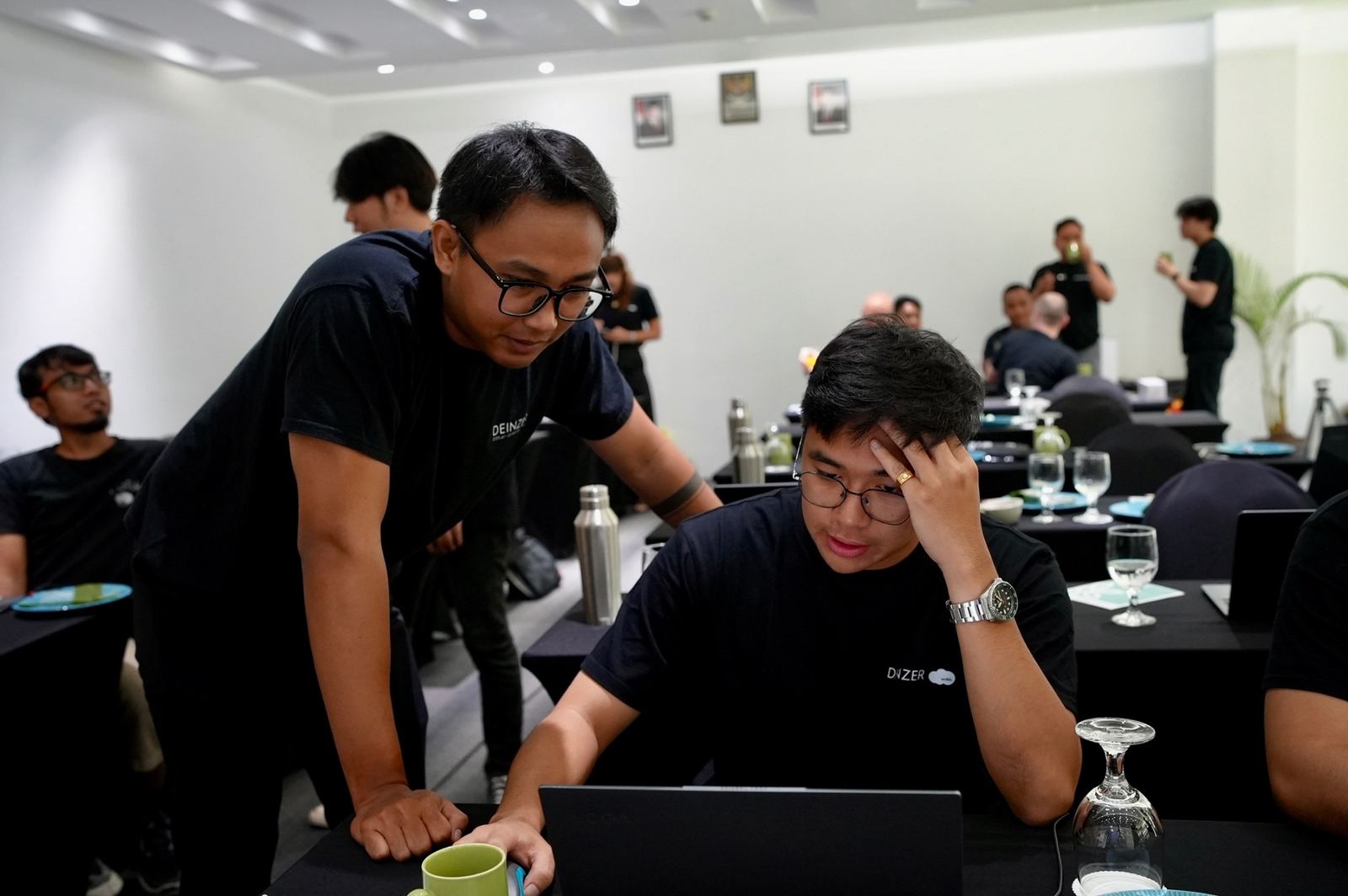
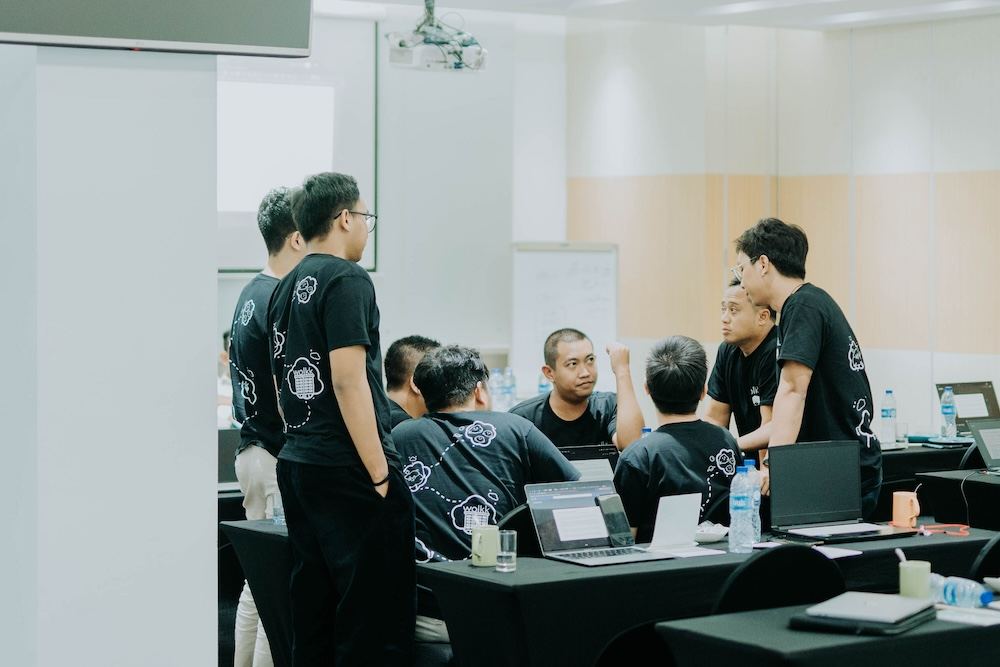
A dedicated team approach is a business model that allows you to augment your in-house software development team with a group of highly skilled professionals working remotely. This model is best suited for organizations seeking to expand their software development capabilities without incurring the high costs and overheads associated with hiring and managing more in-house staff.
The dedicated team model is highly customizable and can be tailored to meet your specific project requirements, whether you need a small team of developers for a short-term project or a large team for a long-term collaboration. The offshore software development company takes care of all the recruitment, onboarding, and management aspects, allowing you to focus on your core business activities.
Key Benefits
Cost-effectiveness
One of the main advantages of a dedicated team approach is the cost savings it offers. Offshore software development comes with lower labor costs, allowing you to hire highly skilled professionals at a fraction of the cost of hiring in-house staff. Additionally, you can save on the overheads associated with office space, infrastructure, and employee benefits.
Flexibility and scalability
A dedicated team approach gives you the flexibility to scale your team up or down as per your project requirements. This means you can quickly add or remove resources from your team, ensuring that you always have the right skill set and expertise for your project.
Access to a diverse talent pool
The dedicated team approach provides you access to a global talent pool of skilled professionals. This means you can tap into the expertise of developers who specialize in the latest technologies and methodologies, ensuring your software development projects are always up to date with industry standards.
Establishing a Long-term Relationship
Building a successful partnership with your dedicated team requires commitment, communication, and collaboration.
Clear Communication
Establishing a long-term relationship with your dedicated team starts with clear and open communication. Regular communication through video conferencing, emails, and project management tools can help bridge any gaps and ensure a smooth working relationship.
Collaboration
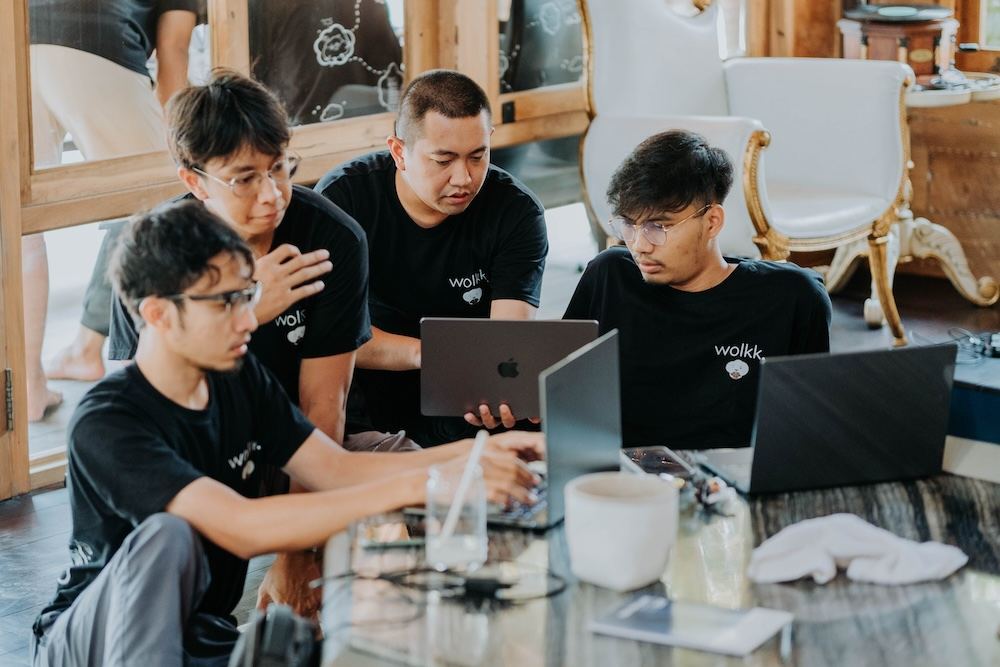
In a long-term relationship, collaboration is key. Encourage your in-house team and dedicated team to collaborate and share ideas, fostering a culture of continuous learning and improvement.
Trust and Transparency
Building trust between your in-house team and dedicated team is crucial for long-term success. This can be achieved through transparency in communication, sharing project progress and updates, and giving your dedicated team the autonomy to make decisions.
Aligning processes and methodologies
Establish a common project management approach, communication channels, and development methodologies, such as Agile or Scrum. By aligning your processes, you can ensure a smooth workflow and collaboration between your in-house team and dedicated team.
Knowledge sharing and training
Invest in knowledge sharing and training. Provide the necessary tools, resources, and training to help your dedicated team understand your business, industry, and project requirements.
Cultural alignment
Understanding and respecting each other's work culture, values, and practices. By fostering a culture of mutual respect and understanding, you can ensure a strong and lasting relationship.
Steps to Build Your Dedicated Team
Follow these steps to build and manage an efficient offshore dedicated team.
Define your requirements
Start by defining your project requirements, including the scope, objectives, and expected outcomes. This will help you determine the size and skill set of your dedicated team.
Select the right partner
Choose an offshore software development partner with a proven track record and expertise in providing dedicated teams. Evaluate their portfolio, client testimonials, and case studies.
We build your dedicated team
Work with Wolkk to build your dedicated team. This includes selecting the right mix of skills and expertise, onboarding, and setting up the necessary infrastructure.
Establish governance
Implement a strong governance model to ensure seamless collaboration. This includes setting up project management methodologies, communication channels, and performance metrics.
Monitor and evaluate
Regularly monitor and evaluate the performance of your dedicated team. Review project progress, assess team performance, and identify any areas for improvement.