The Rise of Distributed Teams in the IT Industry
In recent years, the IT industry has witnessed a significant shift towards distributed teams. Distributed teams are groups of professionals working remotely from different geographical locations, collaborating online.
This trend has been driven by several factors, including advances in communication technology, the globalization of the workforce, and the desire for increased flexibility and cost savings. Businesses are now seeking ways to harness the power of distributed teams to enhance their software development processes.

Key Benefits
Cost Savings
By outsourcing to a virtual team, businesses can significantly reduce operational costs, such as office space, utilities, and employee benefits. Additionally, companies can access talent from around the world, often at a lower cost than hiring local professionals.
Increased Flexibility
Agile distributed teams can work around the clock, providing businesses with the flexibility to scale resources up or down as needed. This can help organizations respond more quickly to market changes and customer needs.
Access to a Global Talent Pool
Outsourcing enables organizations to tap into a global talent pool, allowing them to hand-pick skilled professionals with the specific expertise required for their projects. This can lead to higher-quality software products and faster development times.
Building a Successful Virtual Team
Creating a successful virtual team for custom software development requires careful planning and execution.
Clear Communication
Effective communication is essential for building trust and ensuring smooth collaboration within a distributed team. Establishing communication channels, such as video conferencing, team messaging platforms, and project management tools, can help facilitate seamless communication among team members.
Establishing Roles and Responsibilities
Clearly defining roles and responsibilities within the team can help ensure that everyone is working towards a common goal and has a clear understanding of their individual tasks. This can lead to greater accountability and better overall team performance.
Building a Strong Team Culture
Developing a strong team culture is crucial for maintaining motivation and cohesion among distributed team members. Encouraging regular team meetings, celebrating successes, and fostering a sense of camaraderie can help create a positive working environment.

Agile Practices for Distributed Teams
We employ proven agile practices to ensure high-quality delivery and efficient collaboration.
Test-Driven Development
TDD is an Agile software development practice that emphasizes writing tests before writing the code itself. This approach helps to ensure that the code is correct, reliable, and efficient from the outset, reducing the need for extensive debugging and revisions later.
Cross-Functional Skills
Cross-functional teams, which consist of professionals with expertise in various areas such as software development, UX/UI design, and project management, can provide a more comprehensive and integrated approach to software development.
High-Quality Delivery
By utilizing the Agile methodology, teams can adapt to changing requirements and market conditions, ensuring that the software remains relevant and effective. The scalability of distributed teams allows businesses to expand or contract resources as needed.
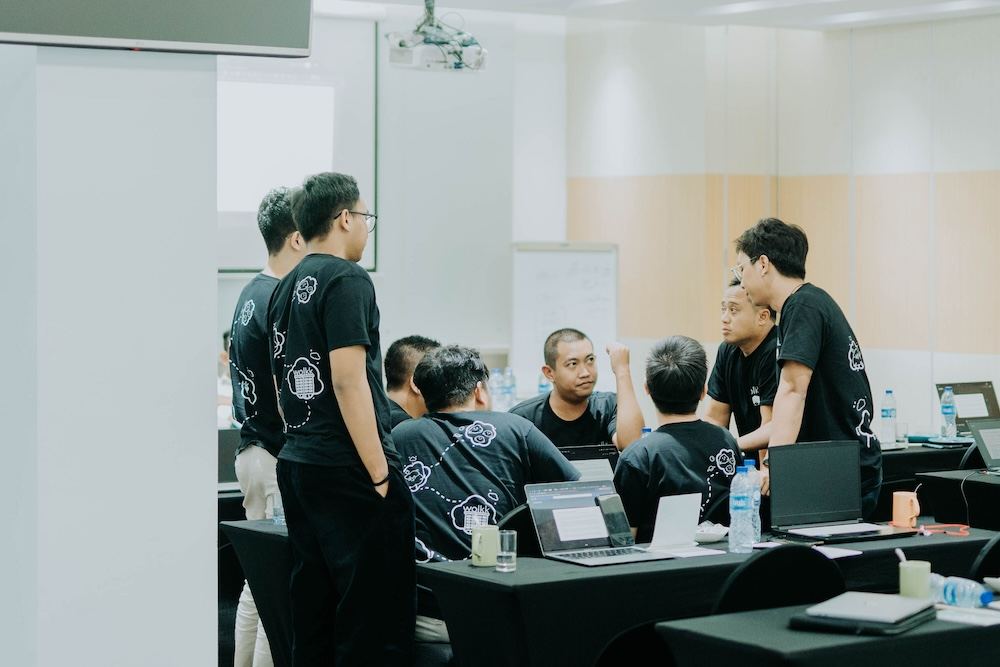
Full-Cycle Custom Software Development
Our comprehensive development process ensures high-quality software solutions that meet your business requirements.
Requirement Analysis
The first step in custom software development is gathering and analyzing project requirements. This involves understanding the client's goals, target audience, and desired functionality.
Design
Next, the team creates a detailed design of the software, outlining its architecture, user interface, and other essential components.
Development
The development phase involves writing the code for the software and implementing the features and functionality outlined in the design.
Testing
During the testing phase, the software is thoroughly reviewed and tested to ensure that it meets the project requirements and is free from bugs and errors.
Deployment
Once the software has been thoroughly tested and refined, it is deployed for use by the client. This may involve installing the software on the client's servers and providing ongoing support.